how to grow a vigilante garden

The view of my neighbor’s house from my front windows has pissed me off for years.  It’s a 1950s ranch, which is not its real problem.  I’ve lived in a few ranchers over the years and been happy – you can make them cute.  But the offender on my current street is an unloved thing.  Amidst a street of Craftsmen and storybook homes built in the 1920s, it looks a little like it’s crashing a Kentucky Derby party in a tight polyester pants suit.  Beige asbestos siding, peeled country-blue shutter paint, cracked front steps and a tragic aluminum screened door that claps in the breeze.  It’s not good.

I don’t know the owner, but I do know the house is a rental that can’t seem to keep occupants for more than a few months.  Two haphazard front garden beds of invasive plants have died, one by one, over the years.  When someone comes to “care” for the yard, this means the high grass is mowed quickly and left to rot in clumps.  The latest dead plant is tossed into the back of the rusty truck on top of grass clippings.

Finally, about six months ago, there was nothing left in one bed but weeds and dirt.  My next door neighbor (I’ll call her Sally) went over to weed it.  The other bed, just beneath the living room window, was home to some jaundiced boxwoods. There wasn’t much she could do with those.

The whole of this house, from its single-paned windows to its listing chimney and waist-high backyard grass, was asking for help.

The place has been empty this time for months, a For Rent sign advertising its awesomeness – Great Neighborhood!—at the edge of the yard.  My neighbors and I hold our breath, hoping someone will move in soon.

Two weeks ago the sky opened and delivered the gift of spectacular weather.  A real, live bender.  Since then, our street has been stoned out on Vitamin D and things in bloom.

A week into our sun blitz, I’d dug up several hostas and helliobores, intending to pot them up and donate them for our school plant sale.  I pulled out the nandina (The owner before me had a real thing for plants from Asia).  I set them out on the grass.

My plan was spontaneous.  Mostly.

It was broad daylight.  People were out mowing, raking, walking.  I grabbed a shovel and a wheelbarrow and trundled my plants across the street.  I set them out in a pattern I thought would work and planted them.  I filled a watering can, added some fish emulsion, and soaked them.  After that, I sat on my front steps and had a beer, watching over my guerilla garden.

The next day one of my neighbors (I’ll call her Dolores) said to me, “I saw you.”  Dolores wagged her eyebrows.

“Oh really?  When?” (Uh oh. Trespassing is bad.  I knew I should’ve done it at night.)

“I’m so glad you did that, because I was just about to do the same thing!”

Dolores brought over a holly bush from her yard. Another neighbor (I’ll call her Martha) donated a Japanese maple.  I mowed the grass twice when it got too high, and then decided to pay my son to do it.  More plants showed up mysteriously.  I planted them all, and the place was really beginning to look like someone loved it, at least a little.  We were cooking with gas.  A community of garden lovers taking matters into our own hands!  Next stop, a coat of paint!  A new door!  Re-pointing the chimney!

Today I was working away at my desk, one eye on our new garden, thinking about when I’d get over there to water (Hooking our hose up to their spigot was definitely trespassing, John informed me.  Also, the water was turned off).

Up pulled a beat-up pickup.  Out came a weed whacker.  A man with a cigarette drooping from his mouth attacked the yard.  My son had just mowed.  Mr. Cigarette mowed again anyway.  Then he took out the plants (Our plants!  Sally’s, Dolores’s, Martha’s and mine!) and threw them into a heap in the front yard.

I ran across the street, my hands in the air, demanding to know what his plan was.

He turned to look at me through goggles covered in wet grass flakes.  “The guy’s paying me to take all this out.  He says they’re dead.”

I pulled a leaf off one of the helliobores and showed it to him.  “Do they look dead to you?”

“Well.  No.”  He looked over his shoulder at the boxwoods, already gone.

“Did someone buy the place?  Or rent it?”

“I don’t know, Lady.  I’m just getting paid to do the yard.”

“Did he rent it?  He never calls back.”  Even to my own ears I sounded pathetic.

“You want me to call him?  I’ll call him.  Then I can get back to work.”  He dialed the phone, waited for an answer and fiddled with the handle of his weed whacker.

It’s true I’d been calling the number every few days, pretending to be a renter on the message so the owner would call me back.  I’d just called again that morning.

On the other end the owner answered.  “Um.  Yeah.  There’s some lady here who’s mad about the yard.  She says she wants to talk to you.”  He passed me the phone.

“Oh, hiii. I live across the street.”  (Friendly.  Check.  Breezy.  Check.)  “You’ve got some guy here taking out all the plants?  Because not all of them are dead, you know.  (Oh dear.  A little nasty.) I’m just hoping you aren’t planning to leave the beds bare?  Like they’ve been for, you know, a few years?”

Traffic noise on the other end.  A siren flaring and fading.  “I don’t live in town.  It’s hard to take care of.”  A young guy.  I’d heard he inherited the place from his mother.

“I bet.”

Long pause.  Another siren.  “The last time I was there about a month ago everything was dead.”

This was the time to tell him NOT ANYMORE.  Garden vigilantism is your new friend, Mister.  But landscaping seemed a much bigger trespass than mowing.  And I’d made rules about my methods, too, which suddenly seemed completely crazy.  I didn’t MOVE any plants already there.  I just added them.  I didn’t sneak over at night; I gardened in the light of day.  But it was too complicated to explain.

“You’ve really let it go,” I said.  “Some of us in the neighborhood are mowing the front grass.”

He laughed.  “Really?  Cool.”

“Have you rented it out?  Or are you selling it?”

“Oh, yeah.  I’ve got a bunch of people looking at it.”  (This was a lie.  I live right here and no one has).

I asked what the rent was, and he told me.  His inflated figure explained why no one wanted it:  he was smoking crack.  He’d never get that kind of money for the place.

“That seems like a lot.”

Radio silence.  Some honking and a woman shouting.

“Could you just not leave the gardens bare?”

“Absolutely,” he said, then hung up.

I asked Mr. Cigarette to save the plants he’d dug up, and he said he would.  “Could you put the boxwoods back in?  They’re pretty healthy, don’t you think?”

“You gonna pay me?”

“You’re already being paid, aren’t you?”

“Just kidding.  Never hurts to ask,” he said and lit another cigarette.  “I’m supposed to go to Fred Meyer and get new plants.  You got a problem with that?”

He looked at me through the smoke.

I should’ve stepped away.  Let well enough alone. Transferred my energies to another cause.  “Can I write down some plants that would be good?” I said.  “I mean, if it’s all the same to you.  If the owner doesn’t care.  It seems like he doesn’t care.”

“Knock yourself out, Lady.”

I wanted to lurk around, making sure he’d be as good as his word, but I didn’t.

Later in the day, I checked to see what he’d done.  The boxwoods had been replanted unevenly, like the person planting them was drunk. On the far end, the biggest one had its roots exposed and lay on the ground.  Our plants, mine and Sally’s and Dolores’s and Martha’s, were all gone.

I’d lost.  I told myself I’d gotten what I deserved for muscling a situation that wasn’t mine to steer.

Around nine in the evening my doorbell rang.  On the  front  lawn stood Sally and Dolores.  They were giggling, sharing a bottle of Tequila hidden inside a paper bag.

“We don’t know what the hell happened over there today,” Sally said.  She gestured to the house across the street.  “Somebody told us you were in the front yard with that gardener guy trying to save the plants.”

They laughed and offered me a drink.  They said if we didn’t do something a bunch of hoodlums would break in and cook meth over there, or dismantle the place for the metal.  Both scenarios are a pretty big stretch, but I admired their passion.

“He said he’d save them for me,” I said.  “I guess he decided I was too insane.”

“Come with us.  We have a present for you.”

They took me into Sally’s backyard, where all our plants sat in a wheelbarrow by the garage.

“We got these out of the trash can behind that house,” Dolores said.  “Can you believe that asshole?  Throwing away our plants?”

Sally chimed in.  “Yeah.  This is our neighborhood.”  She took a swig of Tequila and offered some to me.  “We figured you’d want to…you know…do something with them.”

Tequila’s not my friend, so I said no to that.  But I’m up for gardening with my new posse.  Anytime.

It Takes a Village

Categories: community, gardening, girls, Uncategorized, writing | Tags: , , , , , | 6 Comments

the well of souls

A few years ago, on a sunny spring morning, I woke up to find eight plants had been stolen from my front yard.  Not whole pots of plants waiting to find homes, but mature bushes from the ground.  Mornings are not my sharpest time.  It took a couple beats to identify what was missing while I stood at my front window, eyeing the yard over the rim of a coffee cup, confused.

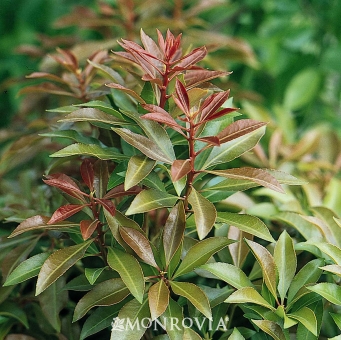
Once outside, it didn’t take long to see the problem.  A trail of dirt faded off down the sidewalk two houses away and then veered into the street.  The thieves took a whole hedge of Pieris Mountain Fire that had been there for years.  I liked them for their jaunty winter foliage, and they were one of the things I’d kept from the previous owners.  Just at a place where I felt the yard had started to reflect my landscape sensibilities, I’d spent several weeks working on that section of the yard – taking down a hideous fence, planting native species. Now all I had was a bald section that looked like the front teeth of my yard had been knocked out.

My neighbor Tom across the street had had some plants stolen the month before.  The morning after it happened, several of us stood on the sidewalk in front of his house, shaking our heads at the news and wondering what the hell was going on in the world.  Those were Japanese Maples, still in pots sitting down the driveway and around the back of the house.  Someone was paying attention.  It was creepy.   Tom bought more, and these got stolen, too, before he had a chance to put them in the ground.  He gave up and planted something cheaper.  Azaleas, I think.

John wandered out to the sidewalk after a while and stood next to me kicking at the dirt, cussing, one of his less acceptable mixed-company hobbies.  He’s actually kind of a poet.  For pirates.

“What do we do?  Call the police?  Tom said all they did was take the details over the phone.”

“I guess,” he said.  “Maybe they’ll send someone now that it’s happened three times.” He pushed dirt into one of the holes with the toe of his shoe.

“Don’t mess up the crime scene.”

“This is shitty,” he said.

It felt absurd to even suggest involving the police.  I probably couldn’t identify my plants.  I doubted they’d be able to.  It was the perfect crime, really.  I looked around at my neighbors’ yards from a lens of stealthy acquisition.  Our street was a goldmine.

Thirty minutes later, we stood on the sidewalk again with the police department’s Landscape Crime Detective (I’m not making it up).  She was a one-woman show in a newly created position in response to the rash of landscape crimes happening especially in our neighborhood. The fact that lots of other people were waking to find their yards bare made me feel only slightly better.  Mostly, I had a hard time listening to her while I mulled over the world’s seedy underbelly.  Also, I should know her name and what her rank is.  Is detective a rank?…I’ll just call her Detective Blue, which is lame, I know.

Detective Blue wrote down all our particulars in her little notebook, licking her pen a few times to keep it working.  She was from New Jersey.  “We have a lead on a couple of plant rings in town,” she said, “but I’m afraid your bushes are gone.  How much were they worth?”

John threw the rest of his coffee onto the grass.  “Oh, Jesus.  Let me walk away first before she talks about how much she spends on the garden,” he said.

“But those plants were already here,” I said.  “Also, you love the garden.  Also, I get a lot of my plants from friends.”

He shrugged.  “True.  I’m just saying, it seems like we shouldn’t plant the same thing in this spot.”

Mountain Fire

As a gardener, I was out of whack for weeks.  It was hard to reconcile what had been stolen.  Not just plants, but sweat equity, creativity, joy.  I don’t have ten acres (yet) to tend, and while I wait for the time when that works, I’m transforming the space I do have into something uniquely mine.  Gardening gifts me all these things and also keeps me from going bat-shit crazy living so close to neighbors, whom I mostly like.  But still.

As a victim of theft, I was very pissed and a little paranoid.  Someone had been casing the neighborhood.  What else in my yard had the chance of being taken?  Why hadn’t the dog barked in the night?  The windows were open.  How could I not have heard someone digging outside?

I left that spot bare.  Afraid to plant the same thing.  Not sure what else to put there.  I spent a lot of time thinking about black market gardening, and whether those chain-linked-roadside stands that were stuffed with potted plants along the rural highways were legitimate.

A few months later, a zinger of an inspiration came while I was in the woods.  There were people at the heart of those landscape crimes who were trying to eke out a living in a bad economy.  What if those people were a bunch of kids?  What if they lived off the grid?  What would that look like?  How would they decide what to steal?  Who would be in charge?  What else was at stake?

Thus began a novel in response to some of those questions.  It’s a mess.  It’s my first.  The characters are very patient with me, and we’re searching for the story together.  It might be a project that lives in a drawer later, and I’m not too romantic about it being a bestseller or anything.  Some days it feels like giving birth.  Not the fluffy-after-labor-with-a-good-smelling-baby-in-your-arms part, but the in-labor-with-no-epidural part.

Still, I believe in the project as passionately as I believe in putting my hands in the dirt. This month marks one year I’ve been world-making with my band of plant thieves.  I’m darn grateful for these girls in my life, which I guess means I’m grateful for being robbed, because without my gone plants I might never have pulled this collection of souls out of the “well of souls,” as Dorothy Allison calls that place where inspiration is born.

I eventually did plant something in the bare spot.  Grass.   That seems about right for now, until I get the urge to put in corn.

Categories: gardening, girls, writing | Tags: , , , , , , , , | Leave a comment

chicken in space

Before I began the glamorous work of becoming a writer, I was a high school teacher.  I worked in several high schools over the years, doing everything from teaching English to driving the van for science field trips, but my favorite job was my first (and longest) in Bishop, California.  One of many small towns flanking the high desert of the Sierra Nevada range, Bishop is on the highway between Los Angeles and Reno, and many view it as nothing more than a place to stop and get gas before they go skiing at Mammoth Mountain.

But I loved it there.  In fact, I never intended to leave.  Until I fell in love and then I did leave, but that’s another story.

Bishop Union High School is a small place filled with a band of passionate teachers, most of whom have chosen to work and live in the Owens Valley for a certain way of life.  Pretty much anything you want to do outdoors is at your feet there.  Bishop has Mule Days (a whole weekend devoted to celebrating the mule; it’s fantastic; you must put it on your bucket list), world-class fishing and rock climbing, hot springs, and a rich history of conservatives and liberals working to get along.  I could go on.  Someday I’ll move back.

My favorite tidbit about my old stomping grounds is this:  Recently, students at Bishop Union High School sent a rubber chicken named Camilla into space.

What’s more, their venture was (will continue to be) sponsored by NASA.  Camilla is NASA’s Solar Dynamics Observatory mascot who has upwards of 20,000 followers on Facebook and Twitter.  I’d like to say I still have my finger on the pulse at B.U.H.S., but I only know about the project because the students involved were interviewed on Wait, Wait Don’t Tell Me last weekend.  Instantly transported back to my time as a teacher there, I listened as Peter Sagal interviewed young scientists from Earth to Sky, a team of Bishop’s middle and high school  students who are working on various astrobiology projects.  Probably it was a coincidence, but  the kids Sagal interviewed were all girls. I almost cried at the great, good hope of a tribe of young girls choosing science ( at lunch; it’s not even a class!) instead of the raft of pursuits they no doubt feel culture expects of them.  But, I digress.  I’m sure there are plenty of boys in Earth to Sky, too.  They just weren’t interviewed.

I’m tempted to pack my bags right now and  join up with Earth and Sky.  Or just hang out with kids pumped about science.  Right now they’re waiting to see what Camilla’s “radiation badges,” sent away to a commercial lab for testing, will reveal.  My guess is Camilla’s relationship with Bishop’s kids isn’t over.  I bet they’re already planning what she’ll be armed with the next time she goes up.

A SHORT LIST OF DELICIOUS DETAILS ABOUT CAMILLA’S LAUNCH

  • The kids launched her into “near-space” during a solar radiation storm  in a helium balloon that went up to 124,00 feet

  • Her balloon popped, of course, and she floated back to earth by parachute

  • She was fully rigged with 2 GPS  units

  • She wore a knitted space suit made by a gal from Missouri

  • 7 insects and 24 sunflower seeds were along for the ride

  • None of the insects survived, but you can find them pinned to the “Foamboard of Death” as examples for all future adventuresome insects about what will happen if you try to go to the edge of space (maybe this explains Camilla’s look of horror…or maybe that’s joy?)

  • The 24 sunflower seeds have been planted by 5th graders to see if radiated seeds will produce flowers, too

Categories: chickens, girls | Tags: , , , , | 5 Comments

bird mama

I got chickens last spring, my first foray in many years into pets that live outside.  We’ve had a series of critters my kids have chosen, none of which we have now:  frogs, fish, geckos, hermit crabs, and guinea pigs (whom I sent to “live in the country” when it became my job and not my daughter’s to take care of them). I vaguely remember having hens when I was a kid.  I was in charge of mowing our massive lawn, and one of my younger sisters raised our brood from chicks.  She doesn’t remember it at all fondly.  They’d chase her around the coop and peck her legs when she went in to feed them.  In her haste to escape, she’d often drop the eggs and come back to house with nothing.  One day our dog Freddie killed them when someone left the coop door open.  We found our whole flock later that evening, scattered about in our back field with their necks broken.  That was the end of that.  My sister was delighted and switched to cleaning bathrooms.

The kids thought it was funny I was choosing our next pets.  Hours were spent discussing breeds, considering the coop and where it should live in the yard, and whether our dog Zora would create a terrible massacre before we could train her to co-exist with her new pals.  As is his way, my husband John entertained my scheme, listened to some of the details, and reminded me that he had all the hobbies he’d like to have.

“I’m glad you’re excited,” John said.  “It’s fun to watch.  This sounds like less mountain biking for me, sooooo…better not count me in.” His standard response.

I’m not that great a carpenter (read:  I have no spatial awareness and am dangerous with power tools), so I found a guy in a neighboring town who builds coops.  In a sunny corner in the yard I put together the one I’d chosen.  From the feed store I got three Barred Plymouth Rock chicks and set them up in a bin with a growlight in the garage.  So began my chicken mothering.

We were all smitten (even John; he always comes around).  Several times a day, we checked on them, picked them up, and sang to them while Zora stood quivering and sniffing, drooling through the old screen window we’d put over the top of their box.  The kids were obsessed with reruns of Gilligan’s Island.  We named our girls Marianne, Ginger and Mrs. Howell.

When they were ready, I let them run around the back yard each day.  They learned to come when I whistled, eat out of my daughter’s hand, and dig for worms in the garden.  Early on, they  imprinted me as their mama.  I loved how they followed me, running in that hilarious, wingless way chickens do, all feet and swaying necks.  With a husband who’s grown weary of my endless projects (he says I have project A.D.H.D.), and one teen boy in the house who thinks I’m the village idiot half the time and spends the other half asking me why girls are so lame, it felt good to have creatures so thrilled about my existence.  These chickens wanted to be in my pocket.  It was sweet.  Still, despite my chicken love, I was impatient.  These girls were meant to be working pets.  Free range poopers and layers who would make miracles happen in my garden. I couldn’t wait for them to be old enough to lay eggs.

We have two back entrances to our house, both of which have a sliding glass door.  The birds spent enough time chasing after me to see that I’d disappear past these doors and be gone.  Summer teenagers by this time, my disappearance was distressing to them.  Also they were spoiled, receiving kitchen scraps anytime someone came outside.  They began to lurk  just outside the sliders, running back and forth, shitting up a storm and pecking at the glass.  Calling to me.

At first I was tickled.  Then the kids and their friends would step in chicken poop and track it in.  Or we’d forget to spray off the patio and later find truffles of chicken shit baked onto the stones.  This was putting a serious damper on the free range thing.  John was cheesed; to his credit he didn’t say anything and just went biking.  I did my best to take my medicine, remind myself I’d chosen this hobby, and be good about cleaning up after them.

Then autumn and the rains came.  One of our girls, Mrs. Howell, was decidedly the group’s alpha and much bigger than the other two.  She was the boss, and being the boss meant you squatted on the patio out of the rain, pecking at the glass, laying big chicken shits and terrorizing the kids for kitchen scraps.  It was too rainy to do much mountain biking.  “You have to do something,” John said.   The girls needed to be contained.  They needed more space.  I sweet-talked my family into helping me build (read:  I held the tools) a covered chicken run, very chic and inviting, along the side yard.  We’d allow them out if we were in the yard working so we could monitor them.  No more running the shit gauntlet on the patio.  Problem solved.

I waited for them to lay eggs, listening every day for tell-tale signs inside the coop.  In the beginning, the sound of a young hen laying eggs is pretty dramatic.  She wants everyone to know about it.  Our girls were making all the noises, but with no product.  Mrs. Howell was particularly vocal, her pre-pubescent call something between that egg-laying noise, a leaf blower and a honking goose.  I couldn’t understand what the hold up was.

Our neighbors down the street have chickens.  All summer and most of the fall I’d heard their rooster each morning, which I personally found charming, though I wondered how many other neighbors had complained.  Because we live within town limits, we’re only allowed to have hens.  One day it was quiet.  I caught Maggie in her front yard digging up her grass to put in blueberry bushes.

“What happened to your rooster?”

“Um.  That wasn’t a rooster.”

I was confused.  I couldn’t figure out why she was lying.  It really had been a rooster.  Every day.  At dawn.  And sometimes in the night.

“Wait.  What?”

“She was an old hen who didn’t lay anymore and thought she was a rooster.  She’s in the freezer.”

Clearly, Mrs. Howell was on the same trajectory, only she’d never gone through years of egg-laying.  I’d gotten a dud, a hen who thought she was a rooster.  Except she was starting to look like a rooster, too.  She was beautiful and she knew it.  My friends with chickens told me I was just being dramatic.

“You hardly ever get a rooster from the feed store,” they said.  “They’re so good at sexing chicks now.  Don’t be so impatient.”

I waited.  I’m very bad at waiting.

By late fall, Mrs. Howell was spending all her time calling out to the world.  Bullying Marianne and Ginger.  Cock-a-doodle-dooing at all hours.  Not just at dawn, though there was plenty of that.  One night just before Halloween, she was up all night crying out to the moon on the half hour about her gorgeous self.

John rolled over, wide awake, and said to me.  “THAT is a man.  You have to get rid of it.

“What if we keep her and use her to have chicks?”

“Jesus.  No more pets.  You started this, now you have to deal with it before the neighbors get pissed.”

“But Maggie had a rooster all summer and no one complained.”

Radio silence.

“What am I supposed to do?”

“Make some soup.”

He was right.  I had to do something, but I couldn’t bring myself to kill her.  Him.  She was too impressive a specimen.  Plus, I’d raised her up from that fragile youth, and she’d survived Zora, who by this time had gotten into trouble enough times over the chickens that she was over it.  They could be out in the yard with her and she’d just lie down and watch them scratch for bugs.

My friend Jan had fifty chickens in the country, so I arranged with her to exchange Mrs. Howell for one of her laying hens.  John and I loaded Mrs. Howell up in the old guinea pig cage (the last time I’d used it had been to send those rodents off into the wilderness).  It wasn’t quite tall enough and she had to squat, feathers sticking up through the bars.  She was very indignant and managed to shit several times in the half hour drive and smear it around the cage.

At Jan’s, we released her into one of the runs alone.  It was muddy.  It was raining. It was roofless.  Mrs. Howell stood there, shifting her bird feet to keep them out of the mud, blinking at us indignantly.  “He’s such a city slicker,” Jan said.  “Doesn’t want to get dirty.  You didn’t  keep that thing inside, did you?”

“Well.  Not really.”  I thought about the gravel and sand we’d put in our run to make it easier to clean, to keep the mud down, to exfoliate their feet.  I kept all that to myself.

We brought our new hen, Rainier, home and she fit right in.  She’d just molted.  Her bottom was bald and red, her feathers matted and muddy.  She’d never been outside a fenced run before, so we had a good time watching her taste freedom in the grass.  She’s not quite as smart as the others, but she’s sweeter in temperament.  Marianne and Ginger have taught her how to break into the veggie garden and get the good stuff.  She taught them how to lay eggs, which they all did within four days of Rainier’s arrival and have continued to do like champs ever since, though somehow, Rainier’s eggs are twice the size even though she’s no bigger than the girls.

Blessedly, Rainier doesn’t much care about being on the patio.  There aren’t any good worms there.  But while Marianne and Ginger have decided I’m only good for snacks, Rainier follows me wherever I go in the yard, sometimes running to keep up.  She’ll stand close enough so that her feathers rub along my leg, which I accept to be the chicken version of a cuddle.  Her tiny head canted to one side, she blinks up at me and emits a throaty chicken purr.  I know it’s crazy, but that bird wants to tell me something.  Something heartfelt and deep.

The kind of thing a kid can only tell its mother.

Categories: chickens | Tags: , , , , , | 2 Comments

demolition…a love story

For a while when I was young we lived in a very small town in northern California.  Hours from any major city, you could only get to it on steep, winding roads.  There were no stop lights, no big box stores or fast food franchises.  I could walk anywhere in town from my house and, as long as I was home by dinner, I was allowed to roam. Looking back from the lens of parenthood and a world that feels more complicated and more dangerous than it did then, I realize what a gift that kind of childhood was.

Every summer we had a big Fourth of July celebration.  Our main park was also home to the fairgrounds and baseball diamonds, a community center and forest service offices.  Before the holiday weekend, a cavalcade of semis barreled into town and disgorged their sea-monsterish carnival parts while kids made excuses to hang out at the park and watch the carnies set up shop.  Elsewhere in the park, our local chapter of the Lions lined up trailers for food and beer in the concessions area by the playground and organized vintage fire trucks from five counties to participate in the parade.  A rodeo, a greased pig race on the baseball field, sack and three-legged races on the park lawn, music at the bandstand — our town transformed itself into a Norman Rockwell painting.  At least on the surface.

I loved all those things, of course, but what I really loved best was Sunday night, at the end of the holiday, when the demolition derby happened in the rodeo arena.  It was more popular than the rodeo, better attended than the parade, and every year the stands were so packed those who came late had to hang on the fence to watch.  Relative to the other events, it cost a lot of money to get in.  People had generally blown through whatever cash they’d allotted for the weekend by then, myself included, but that didn’t stop us.  The derby was the finale of our festivities.

The evening began with the rodeo queen and her court racing around the arena brandishing various flags.  Crammed into the tiny announcer’s booth, the school choir sang the national anthem.  After that the water trucks watered down the competition area to ensure cars would never get much traction.  The boy scouts sold popcorn and nuts, cotton candy and soda, and one of the rodeo clowns usually sat on the fence to entertain us in between events.  Derby cars caravanned slowly into the arena and parked facing the stands in a chevron so we could have a proper look at them.  Usually there were twelve or fifteen entries, sometimes more.  Inside, these cars had been stripped down — gas tanks moved to the back, roll bars installed, all the seats except for the driver’s and the glass taken out.  They were old Buicks, Oldsmobiles, Chryslers –trash-picked from junkyards or someone’s collection of vehicles from their land — implanted with engines that could withstand battle.  Cars were worked on all year in secret.  Drivers were people we knew from the bank and the hardware store, parents and teachers and firemen.  Once in the arena, derby drivers pulled themselves out of cars through driver’s side windows (the doors had been welded shut),  and then stood theatrically, often in costume, next to their rides.

The exterior of the car was the thing.  Painted, bedazzled, props welded to their tops, the cars were voted on by the audience before they even raced.  Voting was crude, the winner decided upon by the announcer for loudest applause.  I was generally hoarse from whistling and cheering before the destruction part ever started.

The suspense, until we got to see what we all came for, was delicious, tortuous.  In the beginning, three or four cars at a time would race in “circles” around the arena, like it was a NASCAR event.  There were several heats of this sort of racing so we could get a look at how each car performed.  After that, cars came back again in sets of three or four and ran the track backwards, and this was the beginning of lost bumpers, dented doors, radiators spewing hot fluid onto the arena floor.  Between heats, cars drove behind the arena to a place we couldn’t see, where each driver had a pit crew that kept the thing going for the big event.

The big event, when all hell broke loose, was, of course, what we’d all really come to see.  Event coordinators made us sit through a singer with a guitar, usually, or the rodeo clown doing his bit with a bull.  Water trucks mudded down the arena again.  We fidgeted through intermission, placed bets, loaded up on more snacks until cars limped back into the arena and staged themselves in a circle facing out.  The announcer gave the call.  Every engine gunned.  Sparks flew.  The din thrummed in our chests.  And then it began.  Drivers circled and rammed each other, ganged up on cars with popped tires and flattened back ends.  Props were severed from the tops of cars.  Some cars died early on, the driver required to sit inside until it was over.  Sometimes a dead car magically resurrected itself, able to battle again, a thrilling reversal of fortune.  I loved every minute of it.

Since that town, I’ve lived in several others that also host derbies.  One summer in my first few years of teaching a friend of mine from the city came to visit during our town’s Memorial Day celebration.  A die-hard urbanite who prided himself on visiting small towns only through drive-by, Brody was fascinated with the mule parade, the craft fair, and the rodeo, at which we featured chariot steer roping (which was more about how not to get ripped from your homemade, welded chariot by your horse than lassoing a hysterical steer calf).  He loved it all, but what he loved best was the destruction derby.

Because my husband was a paramedic, we were allowed access to the gate at the end of the arena.  Brody and I hung on the fence, close enough to get sprayed by mud, and watched people I worked with ram into each other.  Cars caught fire and got hooked together, waging attack as hybrid, two-car beasts.

A few minutes into the finale, Brody turned to me a little wild-eyed, and said, “Now I know how the Romans felt.”  He raised his fist into the air.  “Throw in some more Christians!”

Maybe my zeal for the derby grows from some primordial delight humans harbor for watching destruction.  Maybe it comes from the disjoint in witnessing people I know to be reasonable, thoughtful humans in their everyday lives step into an impulse that’s surprising, shocking.  I’m riveted by the marriage of art and savagery, of community and competition, of recycling and waste.

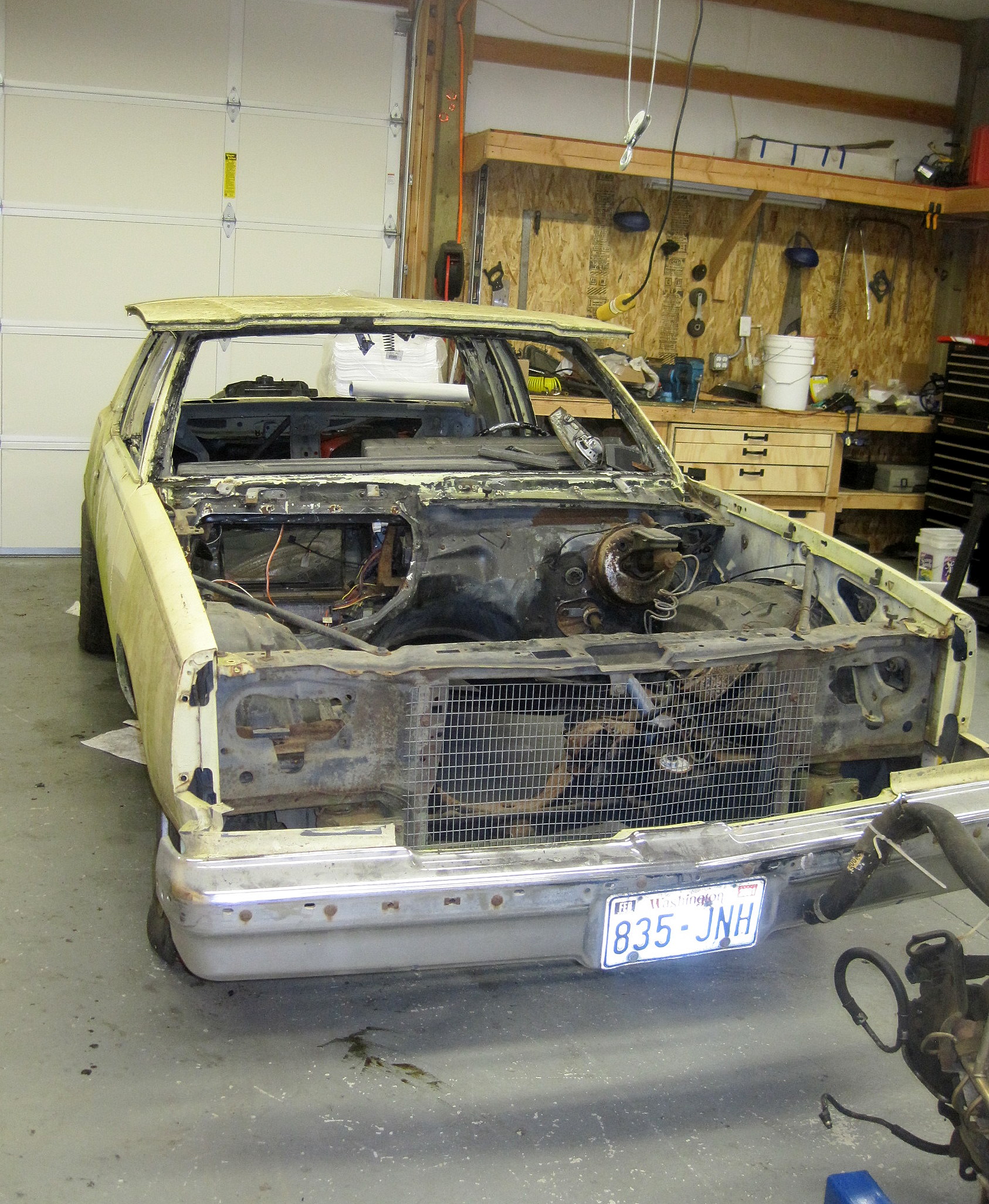
I’m in another small town now, and we have a derby here, too.   This year I’ll partake in the demolition again.  Only this time, I’ll be in the arena, driving an ’85 Cutlass.

Categories: demolition derby | Tags: , , , | 2 Comments

Cowgirl Up

I wrote a western story, which was a bit of an accident.  My character, who came to me in the middle of the night, was a boy living in the Owens Valley in the Eastern Sierra Nevada Range just after the turn-of-the-century (the last one).  On the cusp of becoming a man, his rite of passage was to join the men in town in their efforts to keep their river water from being funneled away by the needs of the big city.  Then there were guns in the sagebrush, and several dead people.  And birds, which seem to creep into most of my stories.

Anyway, this story “The Water Men” just won the Moonlight Mesa Associates, Inc. Cowboy Up Short Story Contest.  I’m deeply grateful and very surprised.

Categories: Uncategorized | Leave a comment

Create a free website or blog at WordPress.com.